
One thing fascinating is occurring within the “Progressive R&B” class at this yr’s Grammy Awards. 4 of the six nominated albums comprise songs that bear the unmistakable rhythmic signature of a Detroit hip-hop beat-maker named James Dewitt Yancey, identified professionally as “Jay Dee” or “J Dilla,” who died 16 years in the past, on the age of 32, from a uncommon blood illness. On the lineup of L.A.’s upcoming Smokin Grooves music pageant in March, practically half of the artists had been Yancey’s collaborators or are college students of his type.
Each occasions communicate to J Dilla’s enduring affect as a composer and producer, although he by no means had a file that made it into the highest 20 on the pop charts. On the peak of his profession within the Nineties and 2000s, he labored with a legion of well-known artists like A Tribe Known as Quest, Busta Rhymes, the Roots, Widespread, D’Angelo and Erykah Badu — typically with out express or full credit score. Nor did he attain the success of his extra seen contemporaries reminiscent of Timbaland and Dr. Dre.
Within the years after J Dilla’s dying in 2006, his birthday grew to become the event for annual celebrations by followers all over the world, his music was interpreted for symphonic orchestras, and he obtained extra media consideration than he ever did when he was alive. The Guardian has referred to as J Dilla “the Mozart of Hip-Hop.” NPR heralded him as “Jazz’s Newest Nice Innovator.” His collaborators Questlove, Widespread and Madlib have likened him to Duke Ellington and John Coltrane.
Why does Dilla — whose primary instrument was a drum machine — deserve to hold in the identical league as these musical luminaries? How does a beat producer enter our canon? It has to do with our conception of musical time.
European music, whether or not excessive classical or low folks, historically counts its rhythms evenly, in what we name “straight time.” Each beat is of equal period.
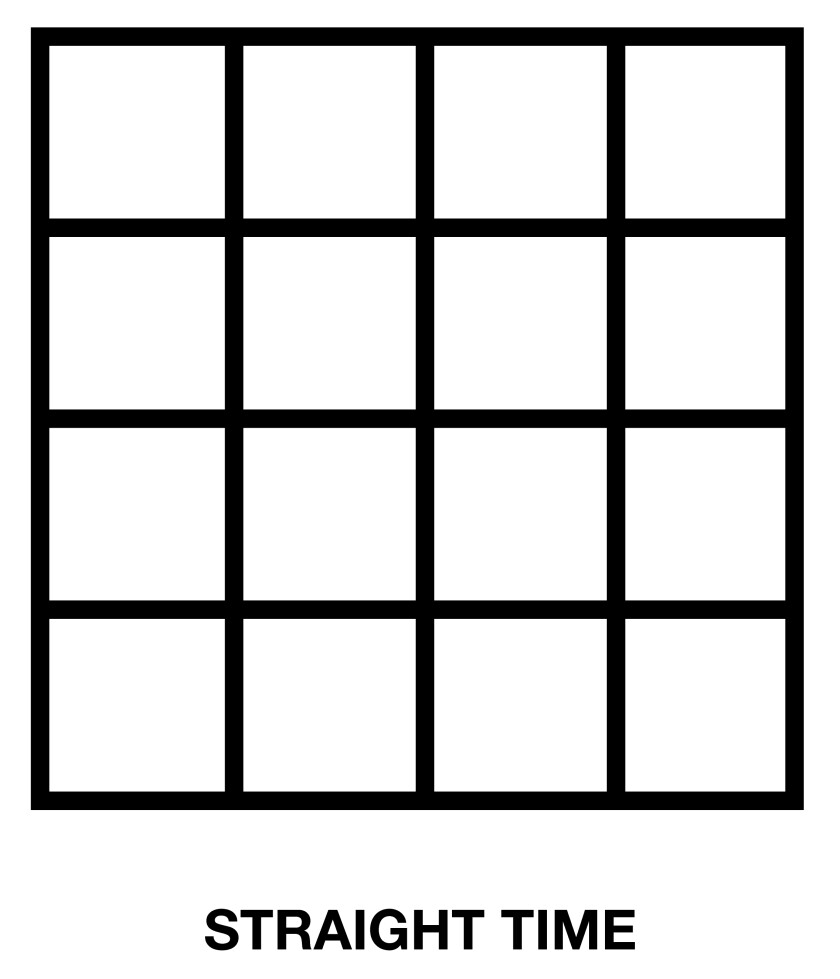
In North America, an uneven time-feel, developed by African Individuals and getting into our tradition by way of blues and jazz, developed, whereby beats are available couples of long-short, long-short. It got here to be referred to as “swing.” Louis Armstrong, for instance, is in our canon partly as a result of he helped to codify swing into our collective taking part in and singing.
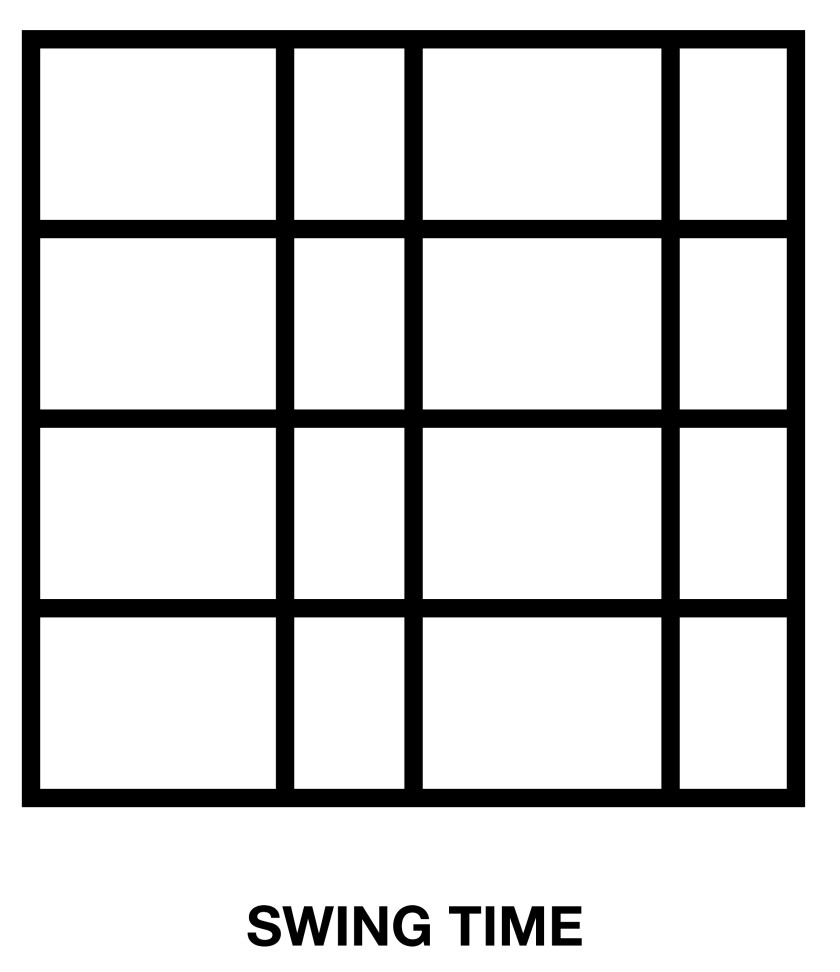
When music is “swung,” the diploma of unevenness varies by the performer and the efficiency, making it tough to doc utilizing conventional European musical notation. However these two time-feels, straight and swing, have dominated our widespread music for the previous 100 years, typically inhabiting the identical piece of music. In Queen’s “Bohemian Rhapsody,” for instance, across the four-minute mark, the straight rhythms of European opera give approach to the swung rhythms of American rhythm and blues, making a journey of 4,000 miles and 400 years in eight seconds.
In 1998, a brand new time-feel started to emerge from a basement in Detroit, the place James Dewitt Yancey observed that his drum machine, the Akai MPC-3000, allowed him the liberty to displace sounds in microscopic ways in which created a disorienting rhythmic friction: not straight, not swung, however a number of pulses of straight and swung concurrently. Within the course on widespread music that I train at New York College, we named this conflicted time-feel for its progenitor: Dilla Time.
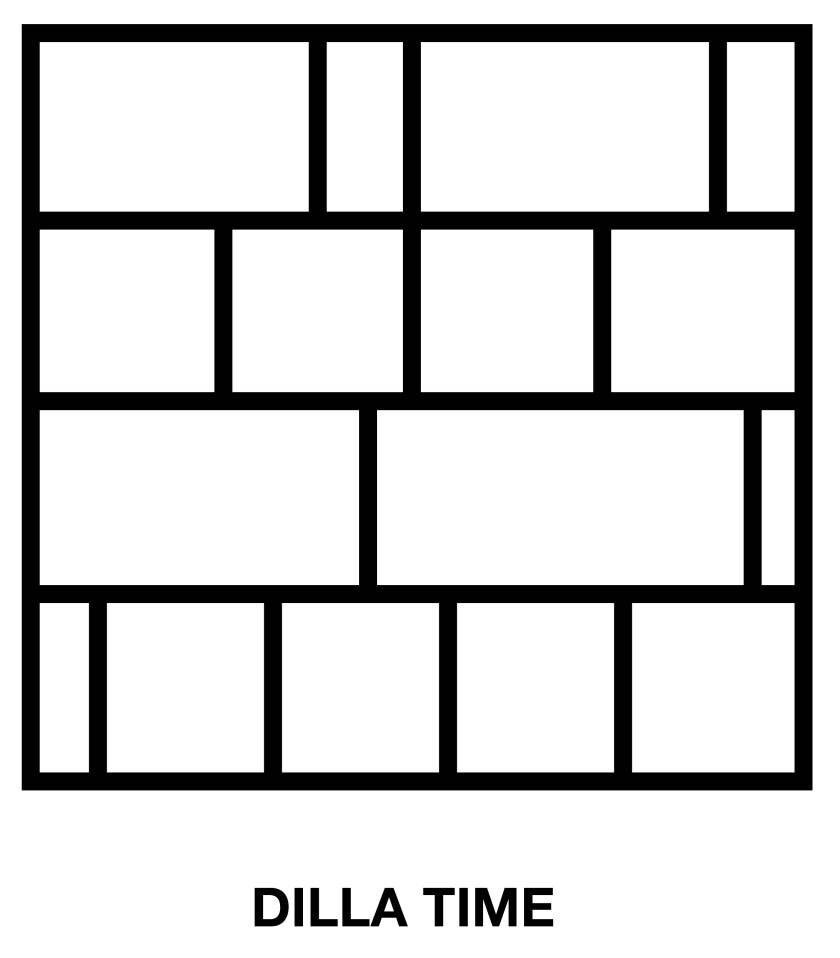
Jay Dee/J Dilla had been taking part in with error and “offness” in his rhythms since his skilled debut in 1995, however these new Dilla Time tracks — which made their means into the world by way of his casual “beat tapes” and the yet-unreleased debut album by his group Slum Village — had a weird, limping, woozy high quality to them.
None of this could have mattered had these subversive rhythms not been so engaging to different beat-makers, and to a core group of hip-hop pleasant musicians that included D’Angelo and Questlove, who enacted Dilla’s micro-rhythmic battle with conventional devices on the 2000 album “Voodoo.”
Dilla’s rhythms quickly permeated R&B and pop — Michael Jackson’s closing charted single, “Butterflies,” was programmed in Dilla Time — and by the late 2000s they'd begun to transform a brand new technology of significant jazz gamers. The “Dilla really feel” is now ubiquitous in jazz golf equipment and conservatories and has remodeled the way in which conventional musicians method their devices. Dilla’s musical concepts resonate within the work of Guggenheim fellows reminiscent of David Fiuczynski and Pulitzer Prize-winning pop icons reminiscent of Kendrick Lamar. That's an innovation and an affect of centenary proportions.
Some level out that straight and swung have collided briefly earlier than J Dilla, within the work of pianists like Errol Garner. And micro-rhythmic conflicts are current in some folks music all through the world. However there may be rather more to J Dilla’s genius than simply his rhythmic work. He was a grasp at sampling harmonic and melodic materials and recombining it with sophistication. He was a virtuoso who may change the textures, timbres and envelopes of sound in emotionally evocative methods. He was, above all, a deep listener, and his personal listeners had been the beneficiaries of his bionic ear.
It has been mentioned by some that J Dilla “humanized” his drum machine. It's fairly the other: He used his drum machine to make a sort of rhythm that no drummer had ever made earlier than. However there may be certainly a much less conceptual, extra human motive that we now rely J Dilla among the many greats and why his drum machine is now on everlasting exhibit on the Smithsonian, close to Thomas Dorsey’s piano, Louis Armstrong’s trumpet, Chuck Berry’s Cadillac and George Clinton’s Mothership. His harmonies made individuals weep, and his rhythms made them be at liberty.
Dan Charnas is a journalist and a professor at New York College. His newest ebook is “Dilla Time: The Life and Afterlife of J Dilla, the Hip-Hop Producer Who Reinvented Rhythm.”
Post a Comment